


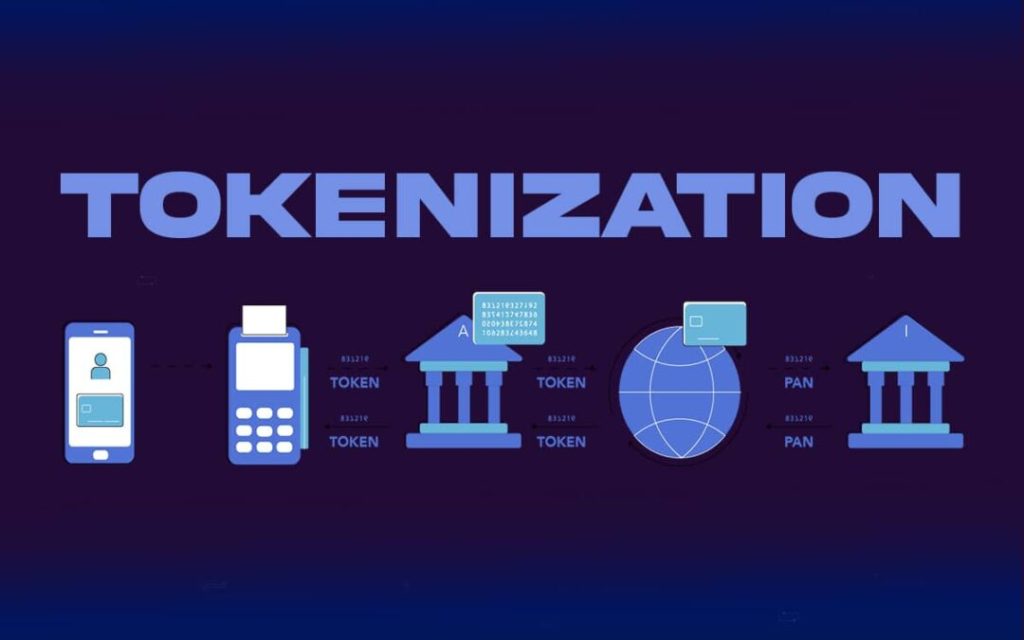
“Tokenizing” Real and Intellectual Assets sounds daunting- it isn’t I promise!
The way we own things—whether it’s a house, a business, or even a piece of art—is starting to change. That change is being driven by a concept called tokenization, and it could reshape how we invest, trade, and build wealth in the not-so-distant future.
Let’s break it down in plain English.
So, What Is Tokenization?
Tokenization is the process of taking a real-world asset—like a building, a painting, or even intellectual property—and turning it into a digital token that lives on the internet. This token represents ownership, just like a deed or stock certificate would in the traditional world.
These tokens are stored on a digital ledger called a blockchain. Think of a blockchain as a super-secure, digital notebook that keeps track of who owns what. And unlike a bank or government system, it’s not controlled by a single entity—it’s decentralized, meaning it’s spread out across a network of computers around the world. That makes it very hard to tamper with, and very transparent.
How Tokenization Works
- Pick an Asset
It could be something physical (like real estate or gold), or something intangible (like music rights or a patent). - Create the Digital Token
This token represents ownership and is recorded on the blockchain. - Split It Up
You can divide the token into smaller pieces. This means people can buy a fraction of the asset instead of needing to buy the whole thing. - Buy, Sell, or Trade
Tokens can be bought or sold easily on digital platforms—often faster and with fewer fees than traditional methods.
Why Tokenization Is a Big Deal
- It Opens the Doors
You don’t need to be a millionaire to invest in big assets anymore. Fractional ownership makes high-value investments more accessible to everyday people. - It’s Faster and Cheaper
Fewer middlemen and less paperwork mean quicker, cheaper transactions. - It’s Transparent
Since everything is recorded on the blockchain, ownership is clear and verifiable. No shady backroom deals—just digital receipts.
But There Are Still Some Hurdles
- Regulations Are Murky
A lot of laws haven’t caught up with this technology yet, which can make things a little unclear from a legal and tax standpoint. - Tech Isn’t Foolproof
Just like with anything online, there’s always the risk of hacks or glitches. - People Still Need to Trust It
For tokenization to go mainstream, more people—including big institutions—need to get comfortable with it.
A Real Example
Asset managers are already testing the waters. Take Janus Henderson—a major financial firm. They’re building a fund where each investment unit will be represented as a token on a blockchain. It’s designed to make the fund cheaper and more efficient to manage. It’s not science fiction—it’s already happening.
It’s Not Just Buildings—IP Can Be Tokenized Too
While most people think of tokenization for physical stuff like houses or gold, it gets really interesting when you start applying it to intellectual property. Imagine owning a slice of a hit song, a valuable patent, or even a viral brand—getting paid royalties automatically as it earns money. Tokenization makes these kinds of investments possible, even for small investors.
So, What’s Next?
We’re moving toward a world where owning part of a building, a business, or a brand could be as easy as holding a digital token in your wallet. No paperwork, no waiting on banks, no huge upfront investments.
In short: Tokenization could make ownership more accessible, more efficient, and more fair.
And while there are still questions to sort out—especially around regulation and tech—the direction is clear: how we own assets is about to get a serious upgrade.
Want to stay ahead of the curve?
Subscribe to The Trading Desk newsletter and check out the 15 Minutes of Finance podcast for fresh insights on investing, markets, and building wealth in the digital age.
Written by: James A. Walters, CRPC
This content is provided by West & Walters Tax and Wealth Management, a DBA of 77 Financial Group, a Registered Investment Adviser (RIA). The information presented is for educational purposes only and is not intended as specific investment, tax, legal, or financial advice. Always consult with a qualified financial professional before making decisions based on this content. If you’re interested in personalized guidance tailored to your financial situation, we’d be happy to help — reach out to schedule an appointment.